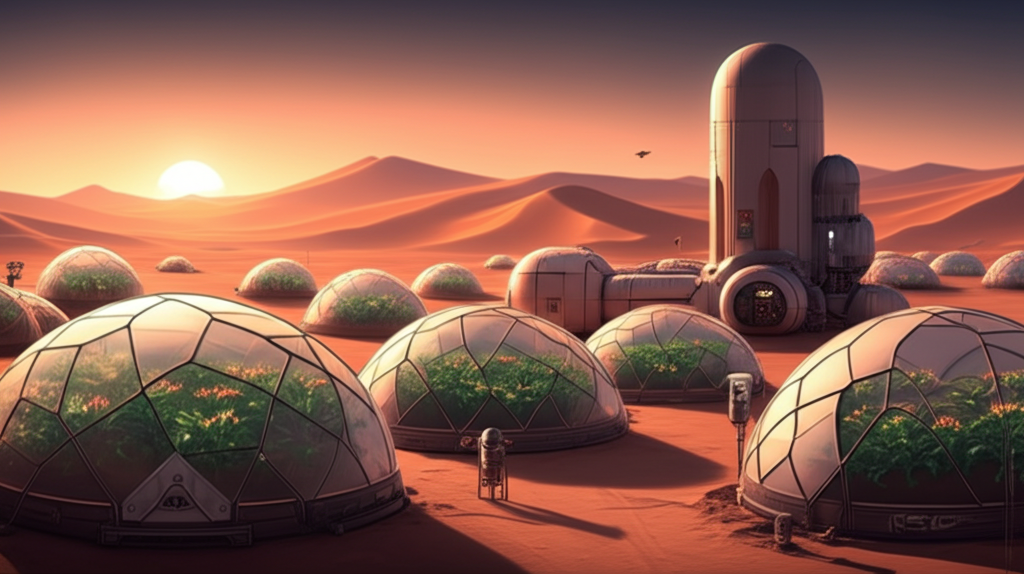
My Prediction for the Future
"By 2030, robobees will be key players in farming on Earth and beyond. From greenhouses in cities to biodomes on Mars, these flying robots will help us grow food in new and innovative ways."
Space Agriculture
Robotic bees will pollinate crops in Martian habitats where Earth insects can't survive.
Earth Applications
Urban vertical farms will use robobees to maintain food production in cities.
Technological Leap
Advances in miniaturization and AI will make robotic pollinators more efficient than ever.
Research Articles
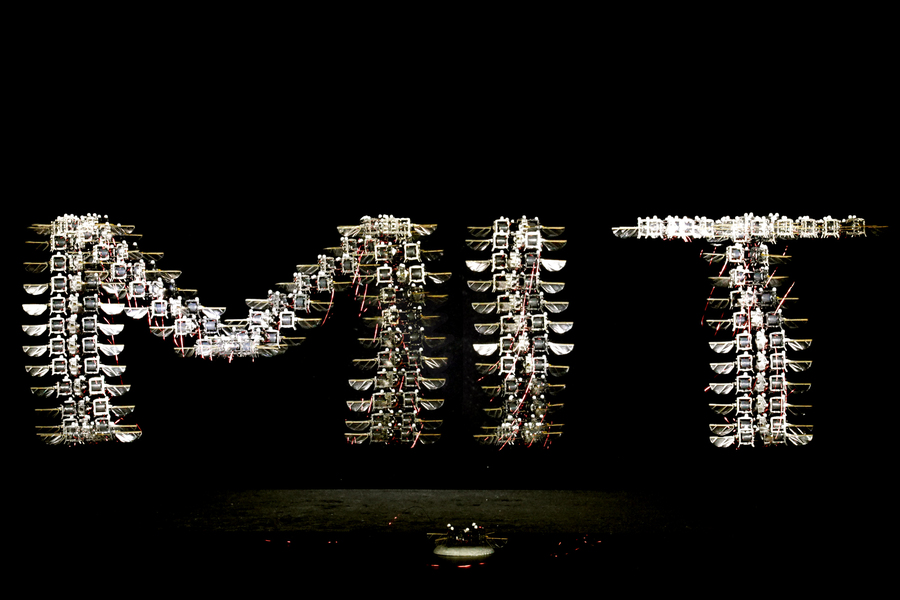
Fast, Agile Robotic Insect Could Aid Mechanical Pollination
MIT researchers have developed a new robotic insect prototype that greatly improves on flight time and agility, aimed at artificial pollination in the future. This article describes how the tiny drone – weighing less than a paperclip – can now hover stably for over 16 minutes and perform acrobatic maneuvers.
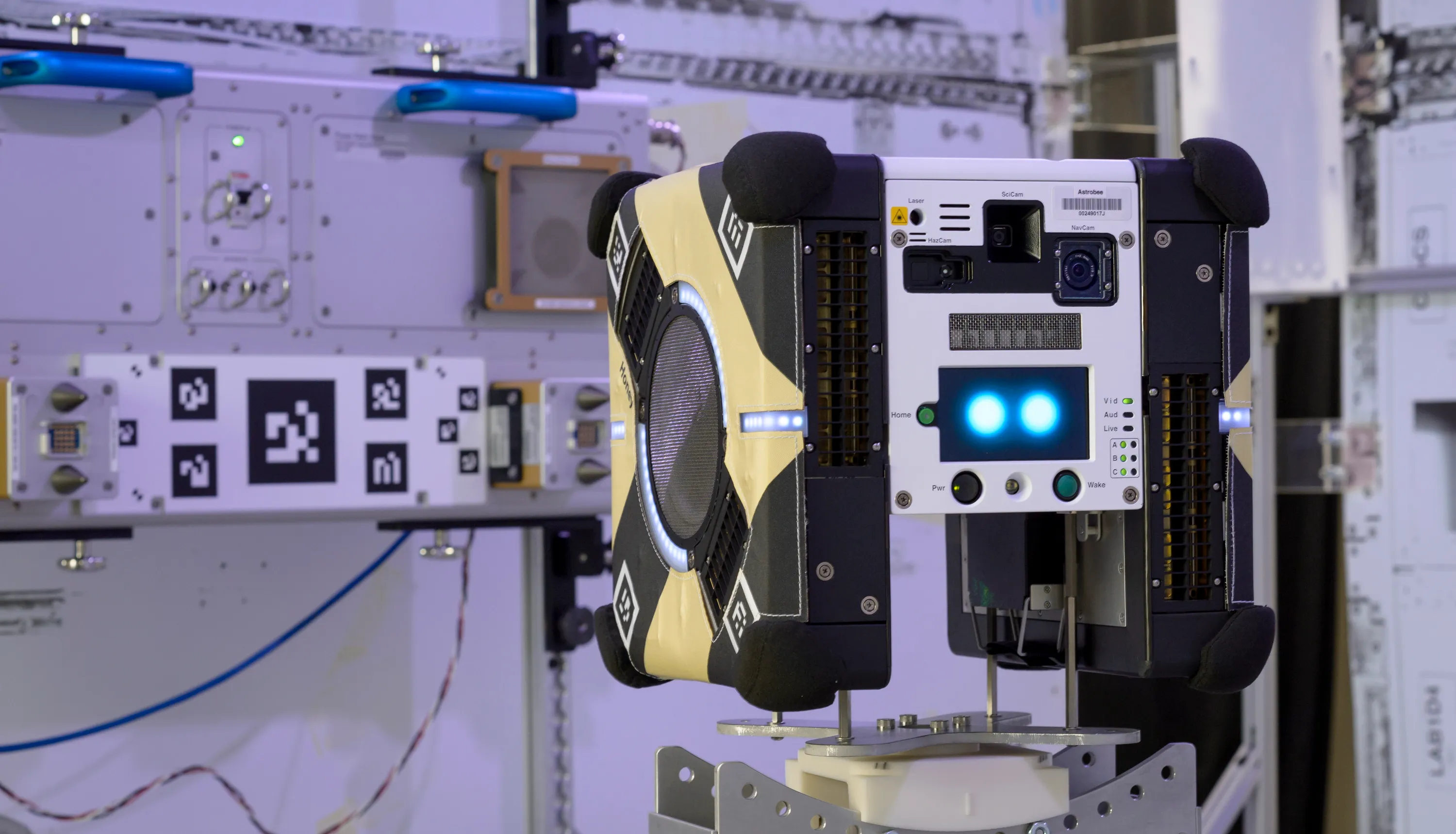
NASA's New Flying Robots: Bee-ing in Space for the First Time
This NASA feature introduces "Astrobees" – a trio of free-flying robotic cubes named Honey, Queen, and Bumble that now buzz around the International Space Station. While not pollinators, they are inspired by bees in name and function, working autonomously to assist astronauts with routine tasks.
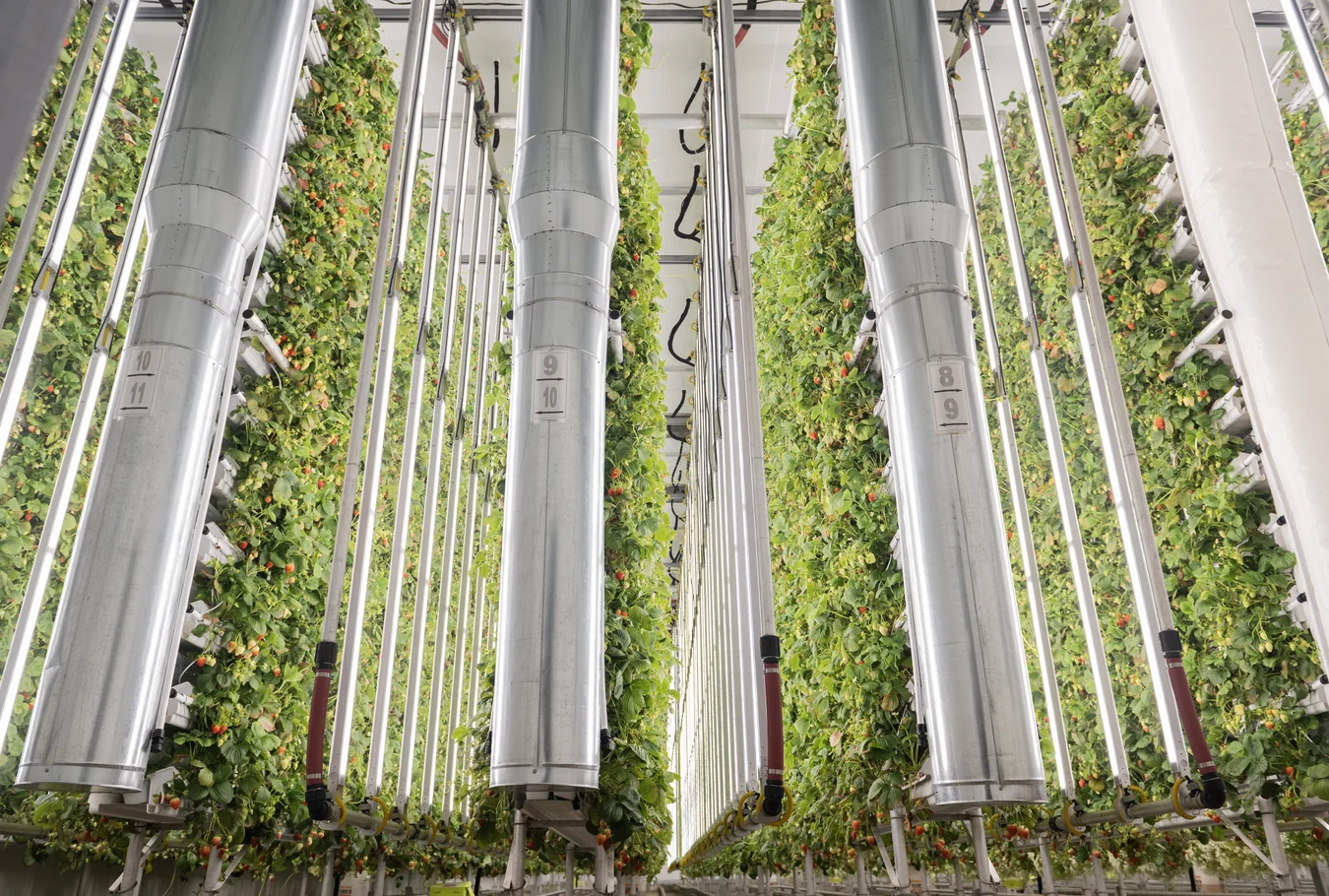
Robotic Bees Could Support Vertical Farms Today and Astronauts Tomorrow
Explores the emerging industry of robotic pollinators and how it could transform farming both on Earth and in space. Experts suggest that astronauts might one day 3D-print mechanical bees off-Earth to pollinate crops in space habitats, since metal bees could live longer than real insects.
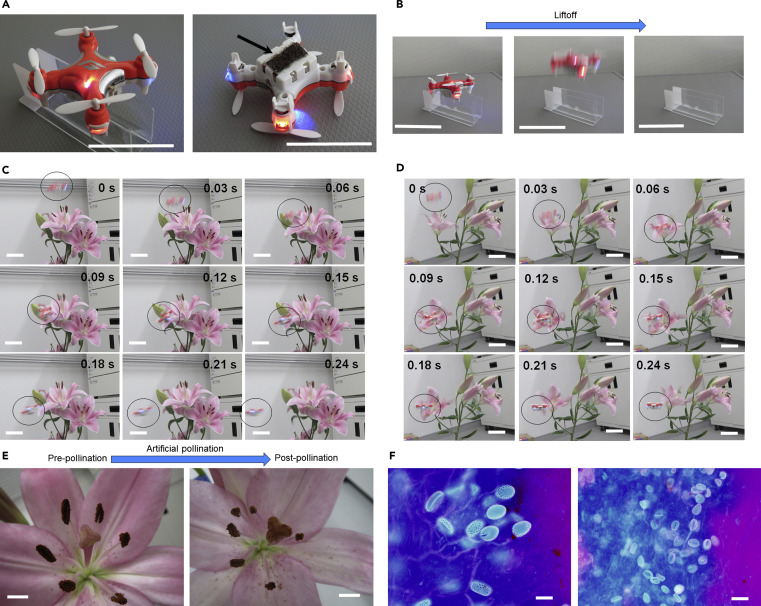
Artificial Pollinator Using Gel-Coated Horsehair
In 2017, Dr. Eijiro Miyako developed an artificial pollinator using a $100 drone and a sticky ionic gel-coated horsehair brush, enabling it to collect and transfer pollen like a bee. The idea came from a failed experiment with gel that turned out to be perfect for pollen collection.
How Robotic Bees Could Work on Mars
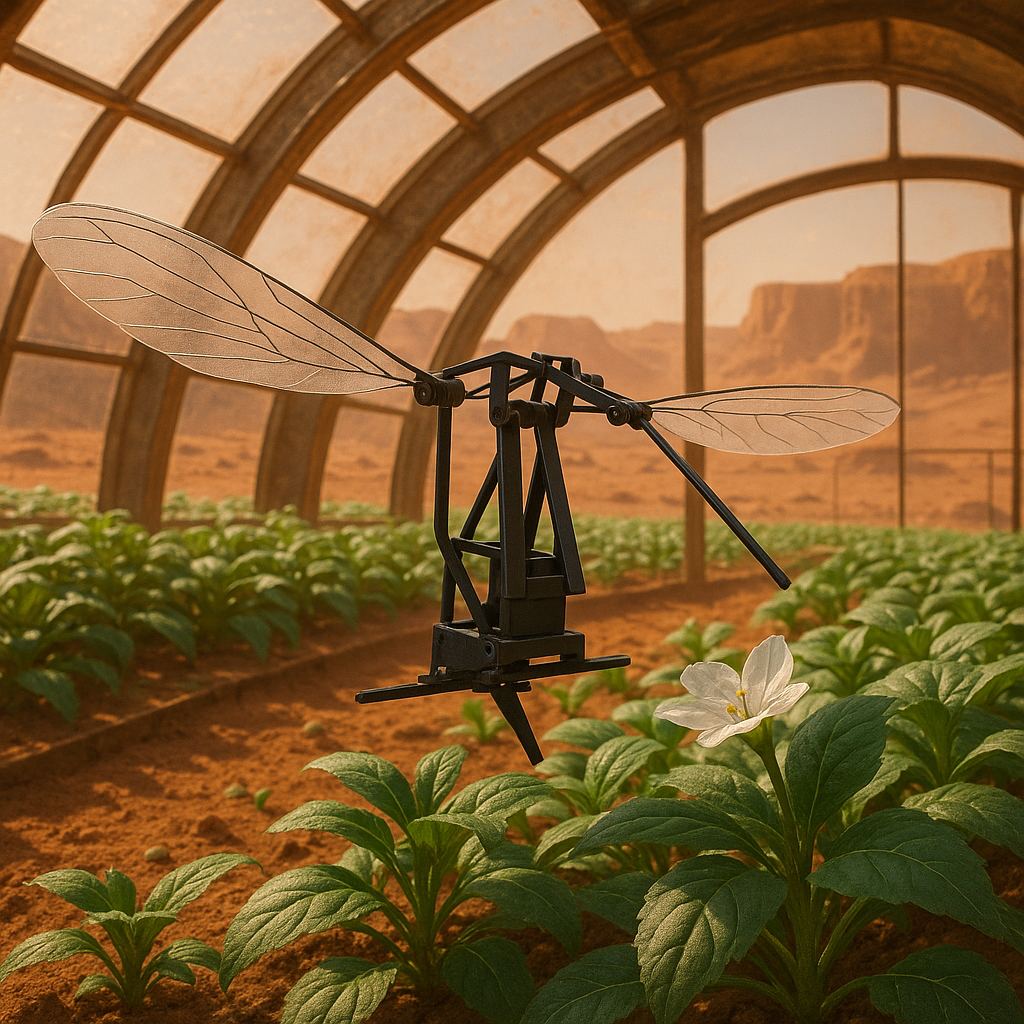
Mars-Ready Design
Robotic bees for Mars would need special designs to handle the planet's thin atmosphere, extreme temperatures, and radiation.
Power Solutions
Solar-powered charging stations could keep swarms of robotic bees operational in Mars greenhouses for years without replacement.
AI Navigation
Advanced AI would allow robotic bees to identify flowers, navigate Mars habitats, and adapt to changing conditions without human control.